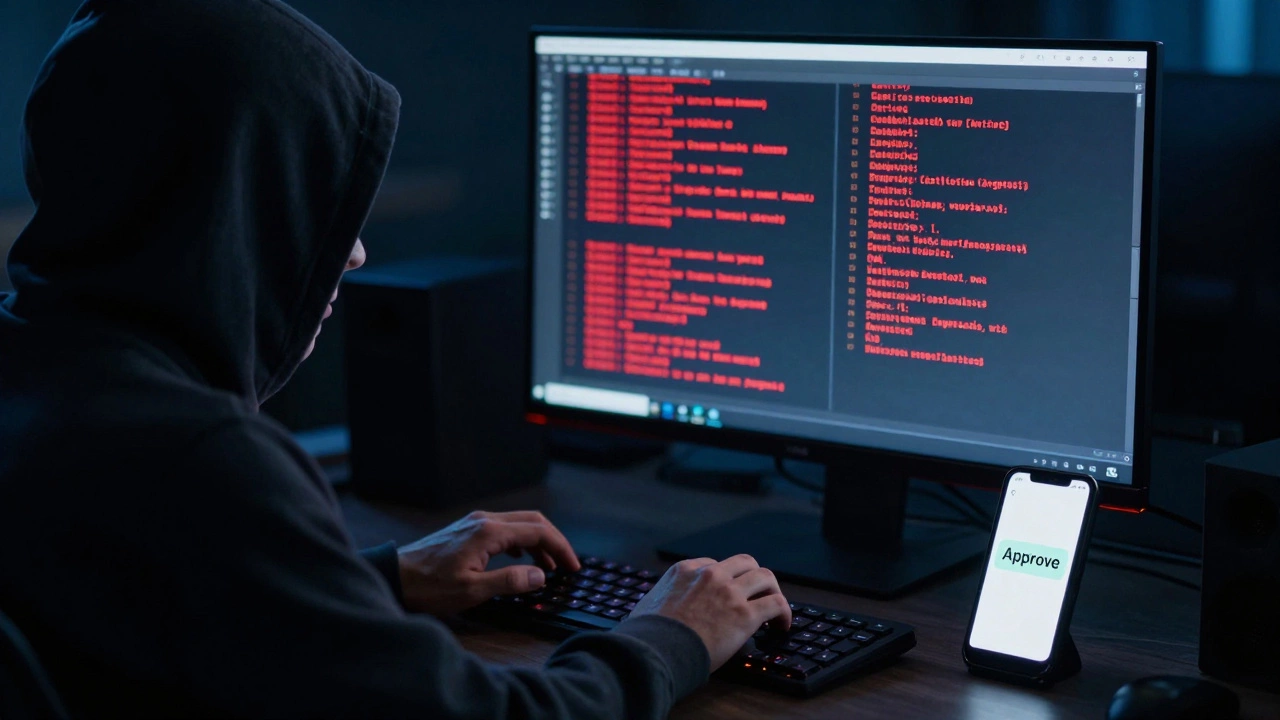
Think your password is strong enough? It’s not. Even the most complex password can be stolen in seconds - through phishing, data leaks, or malware. That’s why just typing in a password isn’t enough anymore. Two-factor authentication (2FA) adds a second layer of protection so even if someone gets your password, they still can’t get into your account. You might think you’re not a target, but hackers don’t pick targets based on how famous you are. They pick the easiest ones. And right now, millions of accounts are unprotected.
If you’ve ever searched for an escort au or scort en paris, you know how easy it is to get pulled into sites that don’t prioritize security. Those sites often store your email and password without encryption. If one of them gets breached, your credentials could show up on the dark web - and then get used to log into your bank, email, or social media. That’s where 2FA becomes your last line of defense.
How Two-Factor Authentication Actually Works
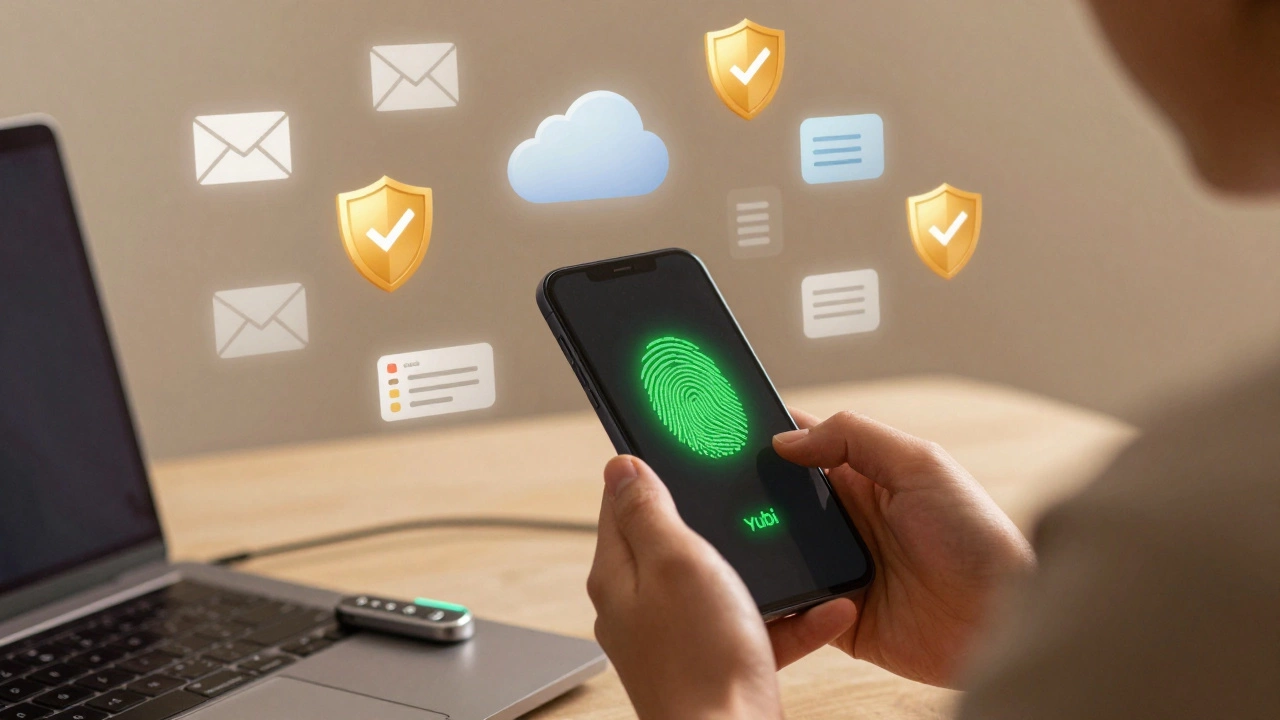
Two-factor authentication means you need two things to log in: something you know (your password) and something you have (a code from your phone, a fingerprint, or a hardware key). It’s not magic. It’s simple math: two barriers are harder to break than one.
Here’s how it plays out in real life. You enter your password on your bank’s website. Then, instead of being let in, you get a notification on your phone. You tap ‘Approve’ - and that’s it. Even if a hacker stole your password from a leaked database, they can’t approve that notification. They don’t have your phone.
Some services use SMS codes, but those can be hijacked through SIM swapping. Better options are authenticator apps like Google Authenticator or Authy, or physical security keys like YubiKey. These don’t rely on your phone number, so they’re much harder to trick.
The Real Cost of Not Using 2FA
In 2024, over 60% of account takeovers started with a stolen password. That’s not a guess - that’s from Verizon’s Data Breach Investigations Report. And it’s not just big companies getting hit. Regular people lose everything: savings, photos, identity, even their jobs if their work email gets compromised.
Take Sarah, a teacher in Melbourne. She used the same password for her school portal and her personal email. Her email got breached in a mass leak. The hacker reset her school account password, changed her grades, and sent fake messages to parents. She lost her job for a month while they sorted it out. She never had 2FA turned on. She didn’t even know it was an option.
That’s not rare. It’s routine. And it’s preventable.
Which Accounts Absolutely Need 2FA
You don’t need to turn it on everywhere at once. Start with the big ones:
- Email - this is your digital master key. If someone gets in, they can reset every other password.
- Banking and finance apps - even if you only check your balance, hackers can transfer money.
- Cloud storage (Google Drive, iCloud, Dropbox) - your photos, documents, and backups are all here.
- Social media - used for impersonation, scams, and blackmail.
- Work accounts - even if you’re not IT, your login can be a backdoor into your company’s network.
Once you’ve secured those, move to the rest. It’s not about being perfect. It’s about being smarter than the next person.
Myths About 2FA That Are Costing People Their Accounts
Here are the lies people tell themselves:
- “I don’t have anything valuable.” Your email has your birthdate, your mother’s maiden name, your pet’s name - all the answers to security questions.
- “It’s too annoying.” You spend 5 seconds approving a notification. You don’t spend months recovering from identity theft.
- “I use a password manager, so I’m safe.” Password managers protect you from reusing passwords. They don’t stop someone from stealing your master password.
- “I’ll turn it on later.” Later never comes. Hackers don’t wait.
And yes, there are rare cases where 2FA can be bypassed - but those require serious effort, time, and money. Most attackers are looking for low-hanging fruit. You don’t want to be that fruit.
How to Set Up 2FA Right (Without Getting Locked Out)
Setting it up is easy. Here’s how to do it without shooting yourself in the foot:
- Go to your account’s security settings (usually under “Privacy” or “Login & Security”).
- Find “Two-Factor Authentication” or “2FA.”
- Choose an authenticator app (not SMS if you can help it).
- Scan the QR code with your phone’s authenticator app.
- Write down the backup codes - and store them offline. In a drawer. In your wallet. Not in a cloud note.
- Test it. Log out. Log back in. Make sure it works.
Don’t skip step 5. Backup codes are your lifeline if you lose your phone. If you don’t have them, you’ll be stuck in a support queue for days.
What Happens If You Lose Your Phone?
You’re not alone. Millions of people lose phones every year. But if you set up 2FA properly, you won’t lose your accounts.
Use multiple methods. Set up both an authenticator app and a hardware key. Or use one app and keep backup codes printed out. Some services let you add a second phone number or email for recovery.
And never, ever use the same recovery method for everything. If your email is your backup for your bank, and your email gets hacked, you’re screwed.
Why This Matters More Than Ever in 2025
AI tools can now generate convincing phishing emails that mimic your boss, your bank, or even your kid’s teacher. They can guess passwords faster. They can mimic voice calls to bypass voice-based 2FA.
But AI can’t walk into your house and steal your YubiKey. It can’t steal your phone if you’re holding it. It can’t tap your fingerprint if you’re not there.
2FA isn’t about keeping up with technology. It’s about staying ahead of laziness - yours and the hacker’s.
And if you’re still not convinced, ask yourself this: if your account got hacked tomorrow, what would you lose? Your savings? Your reputation? Your peace of mind? One extra step now saves you from a year of chaos later.
And if you’ve ever searched for escourts paris, you know how easy it is to end up on sketchy sites. Those sites don’t care about your security. But you should.